Have you noticed that your shower isn’t as strong as it used to be, or that your kitchen faucet takes longer to fill a pot of water? Experiencing low water pressure in your house can make everyday tasks more frustrating than they need to be. While the problem may seem minor at first, it can sometimes point to a larger issue somewhere in your plumbing system.
For homeowners in Peachtree City, Fayetteville, and surrounding Georgia communities, understanding what causes low water pressure can help you determine when it’s time to call a professional plumber. From clogged fixtures and hidden leaks to aging pipes and pressure regulator problems, there are several reasons your home’s water flow may not be what it should be.
Low water pressure isn’t always just an inconvenience. Sometimes, it’s your plumbing system’s way of telling you something needs attention.
Before assuming you need major plumbing repairs, it’s helpful to understand where the problem may be coming from. Here are some common causes of low water pressure and what Georgia homeowners should know about addressing them.
What Causes Low Water Pressure in Your House?
Water pressure refers to the force that moves water through your plumbing pipes and into your faucets, showers, and appliances. When that pressure drops, you may notice slower-running fixtures, weak shower streams, or inconsistent water flow throughout your home.
Sometimes, the issue is isolated to one faucet or fixture. Other times, multiple areas of your home experience reduced pressure, which can indicate a problem with your main water supply or plumbing system. Identifying whether the issue affects one fixture or the entire house is a good first step toward finding the cause.
1. Clogged Faucet Aerators or Showerheads
If you’re only experiencing low water pressure at one faucet or shower, a clogged fixture may be the culprit. Over time, mineral deposits, sediment, and other debris can collect inside faucet aerators and showerheads, restricting the amount of water that can pass through.
This can be especially noticeable in areas where mineral content in the water contributes to buildup inside plumbing fixtures. Fortunately, this is often one of the simpler issues to address.
Try removing the faucet aerator or showerhead and checking for visible mineral deposits or debris. Cleaning the fixture according to the manufacturer’s recommendations may help restore normal water flow. If the pressure remains low after cleaning, the issue may be deeper within the plumbing line.
2. Partially Closed Water Valves
Your home’s plumbing system has shutoff valves that control the flow of water. If one of these valves isn’t completely open, it can restrict water flow and cause noticeable pressure problems.
This sometimes happens after plumbing repairs, maintenance, or work performed on the home’s water supply. A main shutoff valve that was not fully reopened can affect water pressure throughout the entire house. Individual fixture shutoff valves can also cause reduced flow in a specific sink or toilet.
If you can safely access the valves, check whether they appear to be fully open. If a valve is difficult to turn, damaged, or leaking, avoid forcing it. A professional plumber can inspect the connection and make sure everything is operating properly.
3. Hidden Plumbing Leaks
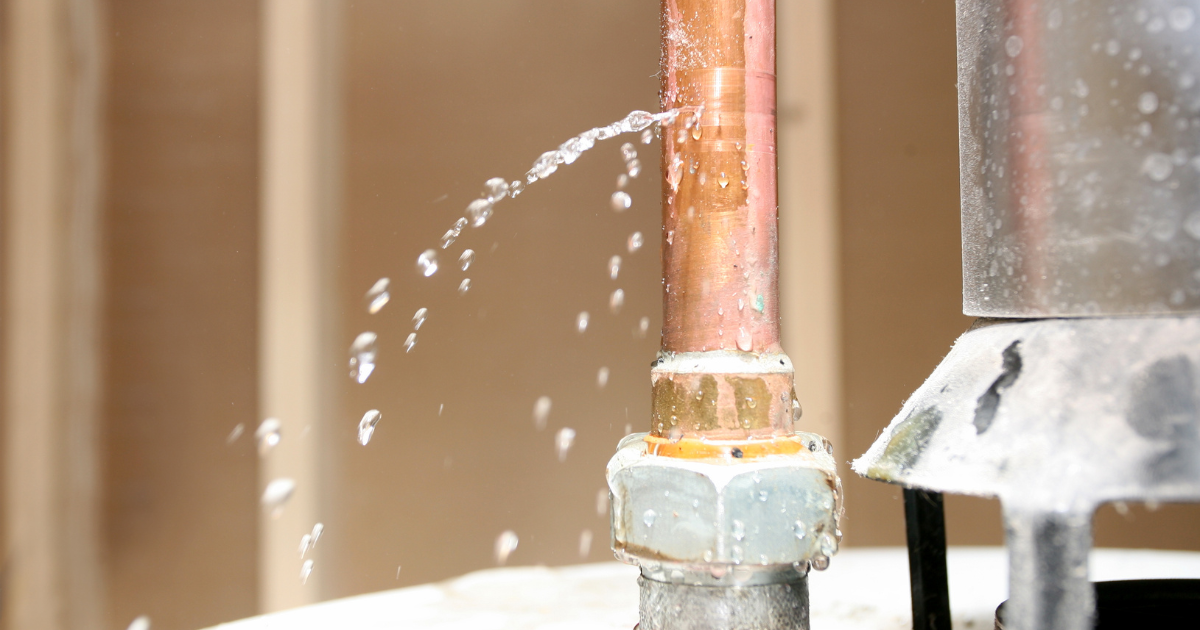
A hidden plumbing leak can affect water pressure while also causing damage to your home. When water escapes through a damaged pipe or loose connection, less water may reach the fixtures where you need it.
Leaks aren’t always easy to spot, especially when pipes are located behind walls, beneath floors, or inside crawl spaces. However, there are a few warning signs worth watching for:
- Unexpected increases in your monthly water bill.
- Water stains or discoloration on walls and ceilings.
- Damp spots, standing water, or unusually wet areas around your home.
- The sound of running water when faucets and appliances are turned off.
- Reduced water pressure affecting multiple fixtures.
If you suspect a leak, it’s important to have it investigated before the damage becomes more extensive. Prompt plumbing repairs can help protect your property and prevent unnecessary water waste.
4. Problems With Your Water Pressure Regulator
Many homes have a water pressure regulator, also known as a pressure-reducing valve (PRV). This component helps control the pressure entering your home’s plumbing system and keeps it within a safe operating range.
When a pressure regulator becomes worn, damaged, or improperly adjusted, you may notice a sudden or gradual change in water pressure. A failing regulator can cause pressure to become too low, fluctuate unexpectedly, or become higher than recommended.
If water pressure has changed throughout your home without an obvious explanation, the regulator may need professional attention. A plumber can test the system, determine whether the valve is functioning correctly, and recommend repair or replacement when necessary.
5. Aging or Corroded Plumbing Pipes
Older plumbing systems can develop internal buildup, corrosion, and mineral deposits that gradually restrict water flow. As the inside of a pipe becomes narrower, water has less room to move through the system, which can result in reduced pressure at your fixtures.
This can be a concern in older homes throughout Fayetteville and Peachtree City, particularly properties that still have outdated or deteriorating plumbing materials. In some situations, the problem may affect only one section of the plumbing system. In others, multiple fixtures may experience consistently weak water flow.
Depending on the condition of the pipes, professional cleaning, targeted repairs, or a plumbing repipe may be necessary. An inspection can help determine the best approach without replacing plumbing that is still in good condition.
6. Issues With Your Water Heater
Does your water pressure seem normal when using cold water but noticeably weaker when using hot water? If so, your water heater or the plumbing connections leading to it may be contributing to the problem.
Sediment buildup inside a water heater, partially closed valves, or restricted connections can interfere with hot water flow. Over time, mineral deposits may accumulate inside the tank and affect how efficiently the unit operates.
If the pressure issue only affects hot water, it’s worth having your water heater and its connecting plumbing inspected. Addressing the problem early can help prevent additional wear and keep your hot water system working as it should.
7. Municipal Water Supply or Neighborhood Issues
Not every water pressure problem starts inside your home. Sometimes, the issue comes from the municipal water supply or the water lines serving your neighborhood.
Water main repairs, maintenance work, increased demand, or temporary service interruptions can all affect the pressure reaching your property. If your neighbors are experiencing similar problems, the issue may be outside your home’s plumbing system.
For homeowners in Peachtree City and Fayetteville, checking with your local water provider can help determine whether there is a known service issue in your area. If the supply appears normal but your home’s water pressure remains low, a plumber can investigate the plumbing on your property.
How to Tell When Low Water Pressure Needs Professional Attention
Not every change in water pressure requires an emergency plumbing visit. A clogged showerhead or partially closed fixture valve may be relatively easy to address. However, persistent or sudden pressure changes shouldn’t be ignored.
Consider contacting a professional plumber if you notice any of the following:
- Water pressure has dropped throughout your entire home.
- Multiple faucets or showers have noticeably weaker water flow.
- Your water pressure suddenly changes without an obvious reason.
- You notice signs of a possible plumbing leak.
- Hot water pressure is consistently lower than cold water pressure.
A professional plumbing inspection can help identify the source of the problem and determine whether you need a simple adjustment, a fixture repair, or more extensive plumbing work. If you experience a sudden major pressure drop along with signs of a leak, shut off the main water supply if it is safe to do so and seek plumbing assistance promptly.
Keep Your Home’s Plumbing Flowing Properly
Low water pressure can happen for several reasons, and finding the right solution starts with understanding what’s happening inside your plumbing system. Whether the cause is a clogged fixture, a hidden leak, a faulty pressure regulator, or aging pipes, addressing the issue early can help prevent bigger problems down the road.
For homeowners in Peachtree City, Fayetteville, and surrounding South Metro Atlanta communities, keeping an eye on changes in water flow is a simple way to stay ahead of plumbing problems. When something doesn’t seem right, having an experienced plumber take a closer look can save you time, frustration, and unnecessary repairs.
Experiencing Low Water Pressure? Chris Ross Plumbing Can Help
You shouldn’t have to deal with weak showers, slow-running faucets, or inconsistent water flow in your home. Chris Ross Plumbing provides dependable residential plumbing services throughout Peachtree City, Fayetteville, Newnan, Tyrone, Senoia, and surrounding Georgia communities.
Whether you’re dealing with a suspected leak, a plumbing repair, or an unexplained drop in water pressure, we’re here to help identify the problem and get your plumbing working properly again. Our goal is to provide honest recommendations, quality workmanship, and reliable service you can feel good about.
Contact Chris Ross Plumbing today at (678) 273-8274 or request an estimate to schedule your plumbing service. Let’s get your home’s water flowing the way it should!