When winter temperatures drop in Georgia, protecting your home’s plumbing might not be the first thing on your mind. However, even a short cold snap can create problems for exposed pipes, outdoor faucets, and plumbing lines in unheated areas. A little preparation before freezing weather arrives can help you avoid unexpected leaks, water damage, and costly repairs.
For homeowners in Fayetteville, Peachtree City, Newnan, and surrounding South Metro Atlanta communities, knowing how to prevent frozen pipes in Georgia is an important part of seasonal home maintenance. While our winters are typically mild, temperatures can occasionally fall low enough to put your plumbing at risk. Here are some practical steps you can take to keep your pipes protected when the cold weather moves in.
A few simple precautions before a winter freeze can make a big difference in protecting your plumbing and preventing an unexpected emergency.
Whether you’re preparing for the first cold front of the season or getting your home ready for an overnight temperature drop, these tips can help keep your plumbing in good shape throughout the winter.
Why Freezing Temperatures Can Damage Your Pipes
Water expands as it freezes. When water inside a plumbing pipe turns to ice, the increased pressure can cause the pipe to crack or burst. The damage doesn’t always become obvious right away. In some cases, a pipe may not start leaking until temperatures rise and the ice begins to thaw.
Pipes located in unheated spaces are especially vulnerable. This includes plumbing in crawl spaces, garages, attics, exterior walls, and outdoor connections. Even homes that are generally well insulated can have areas where cold air reaches exposed plumbing.
1. Insulate Exposed Pipes Before Winter Arrives
One of the most effective ways to protect your plumbing is to insulate pipes in areas that are exposed to cold air. Pipe insulation helps slow heat loss and provides an additional layer of protection when temperatures drop.
Pay particular attention to plumbing located in crawl spaces, garages, unfinished basements, and other areas that may not receive consistent heat. Foam pipe sleeves and other plumbing insulation materials are commonly available at home improvement stores and can be installed on many accessible pipes.
If you have plumbing running through an especially cold or difficult-to-access area, a professional plumber can help determine the best way to protect those lines before freezing weather arrives.
2. Disconnect and Protect Outdoor Faucets
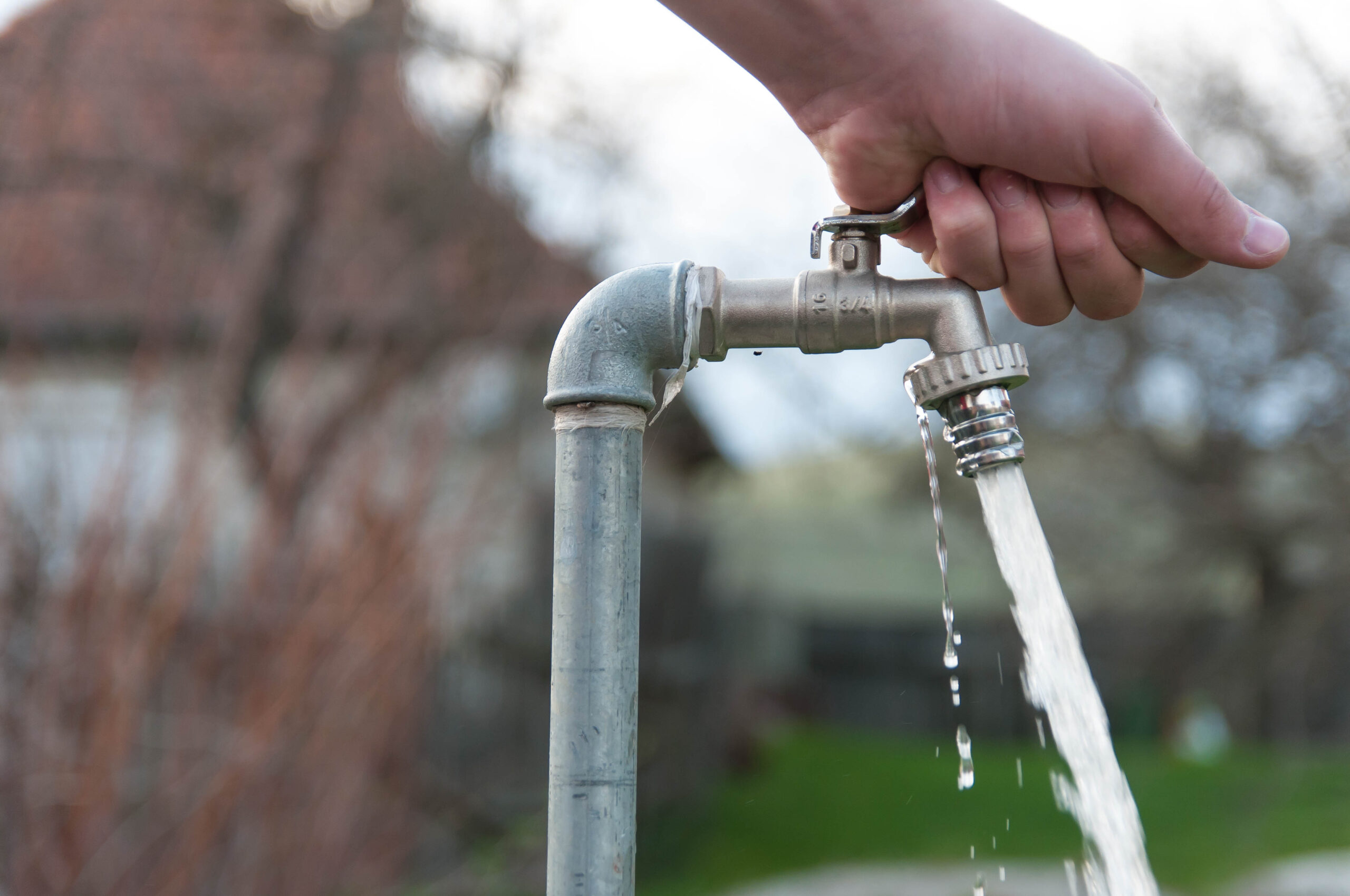
Outdoor faucets and hose connections are often overlooked when homeowners prepare for winter. However, water left inside an attached garden hose or exposed faucet can freeze and create pressure inside the plumbing line.
Before freezing temperatures arrive, take a few minutes to prepare your outdoor water connections:
- Disconnect garden hoses from all outdoor faucets.
- Drain hoses and store them somewhere protected from freezing weather.
- Shut off interior supply valves to outdoor faucets if your plumbing system has them.
- Drain any remaining water from the exterior faucet when possible.
- Install insulated outdoor faucet covers for an added layer of protection.
These small steps can help reduce the risk of frozen outdoor plumbing and prevent damage that could lead to leaks inside your home.
3. Keep Your Home Warm During Cold Snaps
Maintaining a consistent indoor temperature is important when freezing weather is in the forecast. Even if you plan to be away from home, avoid turning your heat off completely during a winter cold snap. Keeping your thermostat set to at least 55°F can help protect plumbing in areas connected to the heated portion of your home.
It’s also a good idea to open cabinet doors beneath kitchen and bathroom sinks, especially when those fixtures are located along exterior walls. This allows warmer indoor air to circulate around the plumbing and can help reduce the chance of freezing.
If you have a vacation home or plan to travel during the winter, consider having someone check the property regularly to make sure the heat is working and there are no signs of plumbing problems.
4. Seal Drafts Around Plumbing Entry Points
Cold air can enter your home through small openings around pipes, exterior walls, foundation areas, and utility connections. These drafts can expose nearby plumbing to freezing temperatures, even when the rest of your home stays comfortable.
Walk around your home and look for gaps where plumbing lines enter through walls or floors. Seal appropriate openings with weather-resistant caulk or expanding foam, following the product instructions and keeping required clearances around gas lines, electrical components, and other utilities.
Don’t forget to check crawl space access points, garage doors, and areas around exterior plumbing connections. Reducing unwanted cold air infiltration can make a noticeable difference in protecting vulnerable pipes.
5. Let Faucets Drip During Extreme Cold
When temperatures are expected to remain below freezing for an extended period, allowing a small trickle of water to flow from vulnerable faucets can help reduce the risk of frozen pipes. Moving water is less likely to freeze than standing water, and keeping some water flowing can help relieve pressure within the plumbing system.
Focus on faucets connected to pipes along exterior walls or in areas that are more exposed to cold temperatures. If possible, use a faucet that allows both hot and cold water to move through the plumbing. Make sure the drain is clear and the water has somewhere to go.
This is an additional precaution, not a substitute for proper pipe insulation and winter preparation. If you’re unsure which fixtures need attention, a plumber can help identify vulnerable areas in your home.
6. Know the Warning Signs of Frozen Pipes
Even with the right precautions, pipes can occasionally freeze during an unexpected cold snap. Recognizing the early warning signs can help you respond before a minor issue becomes a major plumbing emergency.
Watch for these common signs that a pipe may be frozen:
- Reduced water pressure: A faucet may produce a weak stream or no water at all.
- Unusual pipe noises: You may hear banging, gurgling, or other unfamiliar sounds when using your plumbing.
- Visible frost: Ice or frost on an exposed pipe can indicate that water inside is freezing.
- Unusual odors: A strange smell coming from a faucet or drain may indicate a blocked plumbing line.
- Water stains or leaks: Damp spots on walls, ceilings, or floors can signal a damaged pipe.
If you suspect a frozen pipe, don’t use an open flame or torch to thaw it. If you can safely access the affected area, you may gently warm the pipe with a hair dryer or warm towels. If you notice a leak or suspect the pipe has burst, shut off your home’s main water supply if it is safe to do so and contact a professional plumber.
7. Schedule a Plumbing Inspection Before Winter
Some plumbing issues are difficult to spot until freezing weather makes them worse. Older pipes, existing leaks, loose connections, and plumbing in poorly insulated spaces can all increase the risk of winter damage.
A professional plumbing inspection can help identify vulnerable areas and address small problems before they turn into unexpected repairs. This is especially helpful for older homes or properties with plumbing that runs through crawl spaces and other unheated areas.
Taking care of these concerns ahead of time gives you greater peace of mind when temperatures start to fall. Rather than waiting until a pipe freezes or bursts, a little preventative maintenance can help keep your plumbing working reliably throughout the season.
Keep Your Georgia Home Protected This Winter
Georgia winters may not bring freezing temperatures every day, but even one particularly cold night can create problems for unprotected plumbing. Insulating exposed pipes, disconnecting outdoor hoses, maintaining indoor heat, and addressing drafts are all practical ways to help prevent frozen pipes in Georgia.
Most importantly, don’t wait until freezing weather is already here to think about your plumbing. Preparing ahead of time can help you avoid unnecessary stress, water damage, and unexpected repair costs.
Need Help Preparing Your Plumbing for Winter?
Don’t let freezing temperatures catch your home off guard. Chris Ross Plumbing provides dependable residential plumbing services throughout Fayetteville, Peachtree City, Newnan, Tyrone, Senoia, and surrounding South Metro Atlanta communities. Whether you need help addressing a plumbing concern, repairing a leak, or preparing your plumbing system for colder weather, we’re here to help.
Contact Chris Ross Plumbing today at (678) 273-8274 or request an estimate to get your home’s plumbing ready for winter. A little preparation now can help prevent bigger problems later!